
PVC That Protects Without Pretending: Why I Trust It, and You Can Too
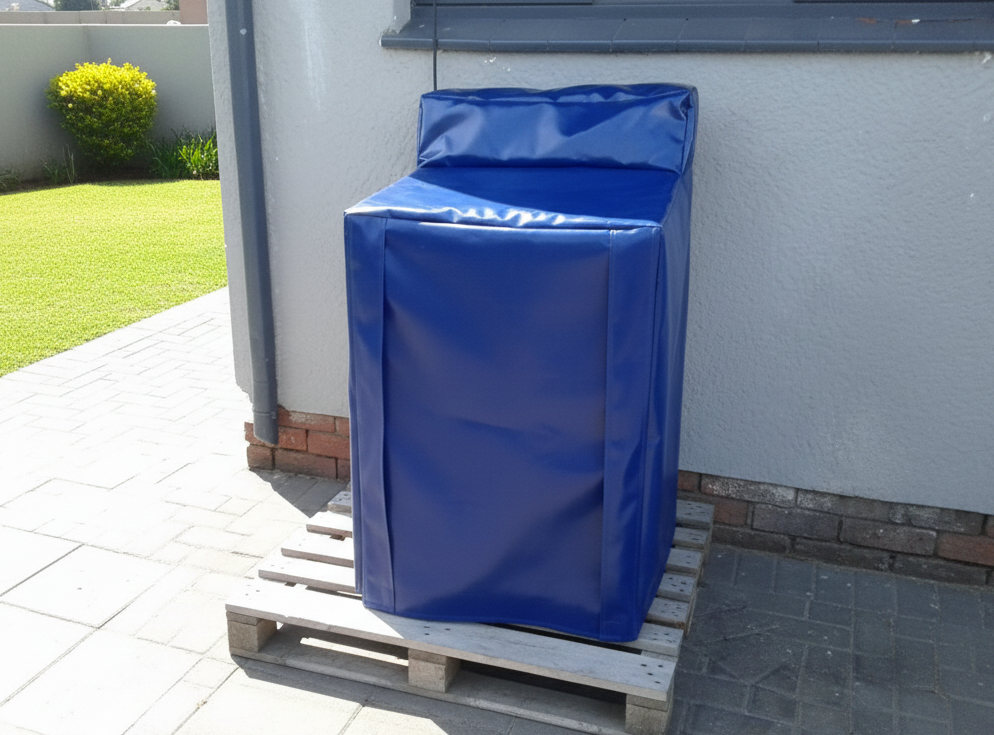
PVC doesn’t try to impress you. It doesn’t have the soft drape of canvas or the nostalgic charm of old sailcloth. But what it does have is strength — and in my line of work, that matters more than looks.
I’ve worked with marine-grade PVC for years, and I’ve come to respect it deeply. Not because it’s trendy. Not because it’s cheap. But because it holds up — to sun, to rain, to wind, to time.
The Truth About PVC
There’s a misconception that PVC is only for boats or industrial use. But in Gauteng’s climate — where UV exposure is relentless and summer storms don’t ask permission — PVC is often the smarter choice. It doesn’t fray. It doesn’t fade. It doesn’t absorb moisture or mildew. It just works.
I’ve used it to cover braais, trailers, outdoor furniture, and even custom equipment. And every time, it’s done its job — quietly, reliably, without fuss.
Built to Fit, Not Flap
The real magic isn’t just in the material — it’s in the fit. A good PVC cover should hug the item it protects. No flapping. No pooling. No awkward gaps. That’s why I measure everything myself. I shape each cover to the object it’s meant for, reinforcing stress points and stitching with UV-resistant thread.
This isn’t about mass production. It’s about intention. About building something that lasts — not just through one season, but through many.
Why I Trust It
I’ve seen canvas covers give up after a year. I’ve seen store-bought covers tear in the first storm. But the PVC covers I’ve made — the ones stitched in my workshop, shaped by hand — they’re still out there. Still protecting. Still doing what they were made to do.
That’s why I trust PVC. Not because it’s perfect. But because it’s honest.
Need a PVC cover that actually protects? Let’s build it right. I offer solo, precision-driven canvas and PVC cover design across Johannesburg and surrounds. From braais to trailers, I craft covers that last.
Let’s protect what matters — with materials that don’t pretend.